Faux Yarn St Patrick’s Day PNG: A Lucky Digital Asset
In the bustling world of print-on-demand and digital crafting, texture is everything. Flat colors often fail to capture attention in a saturated market, which is why designers are increasingly turning to assets that mimic tactile experiences. The Faux Yarn St Patricks Day Png and Lucky Png collection represents a shift toward hyper-realistic, cozy aesthetics that resonate deeply with consumers looking for warmth and authenticity in their holiday decor. This isn’t just another clipart set; it is a carefully crafted digital resource designed to bridge the gap between screen-based design and physical product appeal.
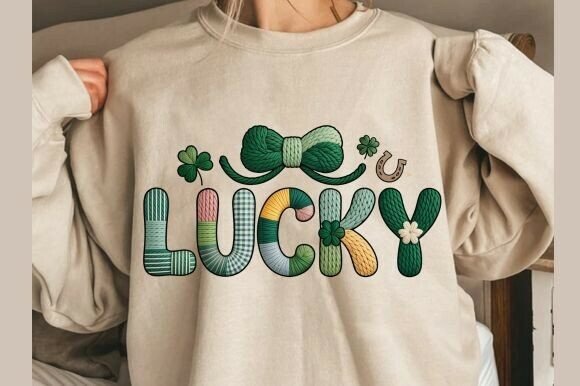
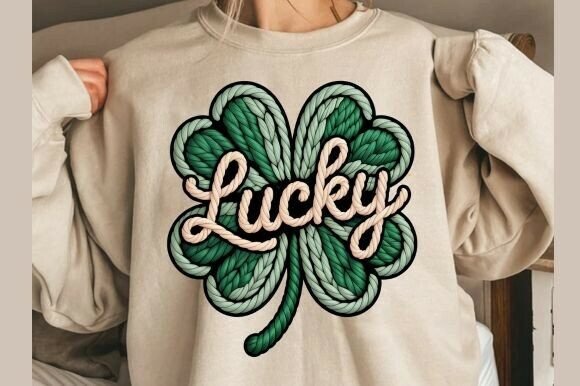
When we talk about this specific asset, we are referring to a high-resolution graphic that simulates the look of knitted or woven yarn. The visual characteristics are distinct: soft edges, subtle shadowing that creates depth, and a color palette rooted in traditional Irish symbolism—vibrant greens, crisp whites, and occasional gold accents. The "faux" aspect is crucial here. It offers the charm of handcrafted goods without the hours of actual knitting or crocheting. For a designer, this means you can deliver a product that feels handmade and personal, leveraging the emotional connection people have with artisanal crafts, while maintaining the efficiency of digital production.
Elevating Brand Identity Through Textural Design
Integrating the Faux Yarn St Patricks Day Png into your creative workflow does more than just add a festive touch; it influences how your brand is perceived. In branding and marketing, consistency and professionalism are key, but so is personality. A sterile, vector-only approach can sometimes feel cold or corporate. By introducing a textured element like faux yarn, you inject warmth and approachability into your brand identity. This is particularly effective for small business owners and entrepreneurs who want to stand out in the crowded marketplace of holiday merchandise.
Consider the impact on visual hierarchy. When placed against a solid background on a t-shirt or a mug, the textured nature of the yarn graphic naturally draws the eye. It creates a focal point that flat typography often struggles to achieve on its own. This enhances audience engagement because the viewer’s brain processes the texture as something tangible. It triggers a sensory response, making the design more memorable. For publishers and content creators, using such detailed assets in social media graphics can significantly increase click-through rates, as the image stands out in a feed dominated by smooth, digital-looking content.
Furthermore, this asset supports recognition. If you consistently use high-quality, textured elements in your seasonal campaigns, customers begin to associate that level of detail with your brand’s quality standards. It signals that you care about the finer details, which translates to trust. Whether you are working on packaging design for a boutique gift shop or creating editorial design layouts for a lifestyle blog, the inclusion of realistic textures adds a layer of sophistication that elevates the overall composition.
Practical Applications Across Print and Digital Media
The versatility of the Lucky Png file lies in its technical specifications. With a transparent background, 300 DPI high resolution, and dimensions of 4500×5400 pixels, it is ready for a wide array of applications. Let’s break down where this asset shines brightest in real-world scenarios.
- Apparel and Fashion: This is perhaps the most lucrative avenue. The faux yarn effect looks exceptional on dark-colored fabrics, such as navy or black t-shirts and hoodies. The contrast allows the green yarn texture to pop, making it ideal for sublimation prints. It works equally well for direct-to-garment printing, provided the printer handles high-resolution PNGs effectively.
- Home Decor and Drinkware: Mugs, tumblers, and tote bags benefit greatly from the cozy aesthetic. Imagine a ceramic mug featuring a shamrock that looks like it was knitted by hand. It transforms a standard item into a giftable keepsake. The high resolution ensures that even when wrapped around a curved surface, the edges remain crisp and the texture remains visible, avoiding pixelation.
- Paper Goods and Stationery: For those involved in printable wall art, cards, and scrapbooking, this PNG is a goldmine. It adds a dimensional look to flat paper products. You can layer it with other design assets, such as vintage paper textures or handwritten notes, to create complex, layered compositions that look professionally designed.
- Digital Projects: Bloggers and digital marketers can use this asset in website headers, email newsletters, and social media posts. The transparent background makes it easy to overlay on various backgrounds without awkward white boxes, ensuring seamless integration into any web design layout.
It is important to note that while this is a commercial font-adjacent asset in terms of utility, it is a graphic file, not a typeface. Therefore, it should be treated as a central design element rather than text. You might pair it with a clean sans serif font for modern clarity or a rustic serif font to enhance the traditional feel. Avoid pairing it with overly decorative script fonts or handwritten fonts that might compete for attention, as the yarn texture itself is quite busy and detailed.
Navigating Licensing and Technical Best Practices
Understanding the usage rights is critical for any professional creator. The Faux Yarn St Patricks Day Png comes with permissions for both personal and commercial use. This means you can incorporate it into products you sell, such as POD items, without worrying about additional licensing fees. However, "commercial use" typically implies that the PNG must be part of a larger design. You cannot simply resell the PNG file itself as a standalone digital product. Always read the specific license agreement provided by the creator to ensure compliance, especially if you are scaling your business.
From a technical standpoint, working with a 4500×5400 pixel file requires adequate hardware resources. Ensure your design software, whether it is Adobe Photoshop, Illustrator, or Canva, can handle large raster images smoothly. When preparing files for print, always check your color profiles. While PNGs are typically in RGB, many print-on-demand services convert these to CMYK automatically. Be aware that vibrant neon greens might shift slightly in print, so it is wise to order a sample before launching a full campaign.
Finally, consider the context of your audience. The Lucky Png appeals to those who value tradition and comfort. It is not necessarily suited for ultra-modern, minimalist tech brands, but it is perfect for lifestyle, home, and family-oriented markets. By aligning the asset’s cozy, tactile personality with the right target demographic, you maximize its potential. Use it to tell a story of warmth, luck, and celebration, and you will find that this single digital asset can become a cornerstone of your seasonal design strategy.