Serahine: Elevating Brand Identity with Aristocratic Script Typography
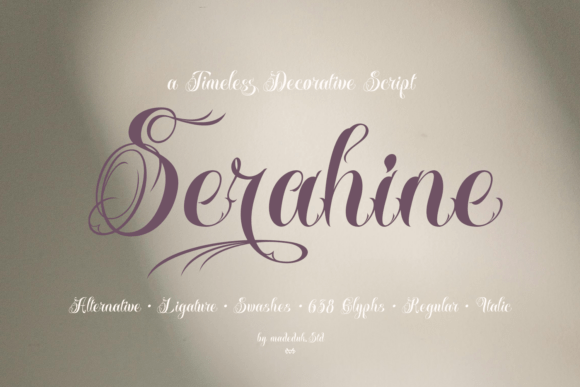
There is a distinct moment in design when a project stops being just functional and starts feeling expensive. It is that split second where the viewer perceives heritage, craftsmanship, and exclusivity before they have even read a single word. Achieving this effect often hinges on typography, and few typefaces deliver this immediate sense of luxury quite like Serahine. This is not merely a font; it is a decorative script that channels the spirit of European aristocratic typography, offering refined ornamental curves and artistic details in every letter.
For designers, brand managers, and creative directors working in high-end sectors, understanding how to leverage Serahine can transform a standard layout into a statement of prestige. Its graceful and rhythmic forms convey a classic, elegant, and high-end impression that resonates deeply with audiences seeking quality and tradition.
The Psychology of Luxury in Letterforms
When we talk about luxury branding, we are talking about trust and aspiration. Consumers of premium goods are not just buying a product; they are buying into a narrative of excellence. Serahine supports this narrative through its dramatic swashes and intricate ligatures. The high-contrast stroke width mimics the pressure variations of a traditional calligraphy pen, reminding the viewer of hand-crafted artistry in a digital age.
Unlike modern sans-serif fonts that prioritize neutrality and readability, Serahine demands attention. It feels like a piece of history. This emotional connection is vital for industries where the perceived value of the product must exceed its material cost. Whether it is a bottle of vintage wine or a diamond necklace, the typography acts as the first promise of quality. Using a typeface with over 600 glyphs allows for a level of customization that prevents the design from looking templated or mass-produced.
Real-World Applications in Premium Industries
The versatility of Serahine lies in its ability to adapt to various high-stakes branding scenarios. However, it is not a one-size-fits-all solution. Its strength is in its specificity. Here is how different industries can harness its potential.
Luxury Hospitality and Event Design
In the world of grand events, invitations are the first touchpoint of the guest experience. A wedding invitation or a gala dinner card printed with Serahine sets a formal tone immediately. The font’s “Alternative” styles allow designers to create unique typographic arrangements that feel bespoke. Imagine a wedding suite where the couple’s names are rendered in Serahine’s most elaborate swashes, while the event details use a cleaner complementary serif. The contrast creates a hierarchy that is both beautiful and functional.
Similarly, high-end hotels and restaurants can use Serahine for menu headers or lobby signage. When paired with tactile printing techniques like gold foil stamping or embossing, the intricate details of the font catch the light, adding a physical dimension to the visual elegance.
Fashion and Editorial Layouts
Fashion magazines thrive on visual impact. Serahine serves as an excellent choice for headline typography in luxury fashion editorials. Its rhythmic forms break the grid, adding movement and energy to static pages. For jewelry catalogs, where the product is small and detailed, the font provides a large-scale focal point that balances the composition. The “Italic” style offers a more modern, expressive aesthetic that can transition a brand from traditional to contemporary without losing its core identity of sophistication.
Beverage and Spirits Packaging
Premium wine and spirits labels are perhaps the most common canvas for decorative scripts. Consumers often judge the quality of a wine by its label before tasting it. Serahine’s classic elegance suggests aging, tradition, and careful production. On a dark glass bottle, white or metallic ink using this typeface creates a striking contrast that stands out on crowded shelves. The key here is restraint; using Serahine for the brand name while keeping regulatory text simple ensures the design remains legible and impactful.
Strategic Considerations for Designers
While Serahine is a powerful tool, it requires a strategic approach. Because it is a display font with intricate details, it is not suitable for body text or small sizes. Attempting to use it for paragraphs or fine print will result in illegibility and visual clutter. It is best reserved for large-scale applications where its curves and swashes can breathe.
Pairing is crucial. Serahine works best when anchored by a stable, neutral typeface. A clean geometric sans-serif or a traditional serif with low contrast can provide the necessary balance. This combination allows Serahine to shine as the star of the show without overwhelming the viewer. Think of it as the jewelry in an outfit; it should accentuate, not dominate.
Another consideration is cultural context. The European aristocratic inspiration of Serahine resonates strongly with audiences who value heritage and classical beauty. However, for brands targeting a minimalist, tech-forward, or ultra-modern demographic, this font might feel too ornate or traditional. Understanding your target audience’s aesthetic preferences is essential before committing to this typeface.
Maximizing the Glyph Set for Unique Branding
One of the standout features of Serahine is its extensive library of over 600 glyphs. This is not just a technical specification; it is a creative resource. Many designers make the mistake of using the default characters, missing out on the font’s true potential. By exploring the alternate characters and ligatures, you can create custom logotypes that are truly one-of-a-kind.
For example, connecting specific letters with custom ligatures can create a monogram effect that serves as a recognizable brand mark. This level of customization helps brands avoid the generic look of off-the-shelf typography. It signals to the consumer that attention to detail has been paid at every level of the brand experience.
- Use alternate swashes to extend the visual reach of short words, creating balance in logo design.
- Experiment with capitalization; Serahine often looks more elegant in title case or all-caps for short phrases, depending on the specific letterforms involved.
- Adjust tracking carefully; while decorative scripts often need tighter spacing to connect, ensure that complex ligatures do not collide with adjacent letters.
The Statement of Heritage and Craftsmanship
In a digital landscape saturated with clean, minimal, and safe design choices, Serahine offers a bold return to ornamentation and artistry. It reminds us that typography can be emotional, historical, and deeply human. For businesses looking to position themselves as leaders in luxury, heritage, or high-quality craftsmanship, this typeface provides the visual language necessary to communicate those values instantly.
Whether you are designing a business card that needs to leave a lasting impression, a packaging label that needs to justify a premium price point, or an editorial spread that needs to captivate a sophisticated readership, Serahine delivers. It is more than a font; it is a curated experience of elegance. By respecting its limitations and leveraging its strengths, designers can create work that not only looks beautiful but also feels significant.
Ultimately, the choice of typography is a choice of voice. Serahine speaks with confidence, grace, and a touch of old-world charm. In markets where perception is reality, giving your brand this voice can be the deciding factor in how it is received, remembered, and valued.