Unlocking Creative Potential: A Guide to High-Quality Happy St. Patrick’s Day PNGs for Modern Designers
As the calendar turns toward March, the digital landscape transforms into a sea of emerald green, shamrocks, and whimsical leprechauns. For designers, crafters, and entrepreneurs, this seasonal shift represents more than just a cultural celebration; it is a significant commercial opportunity. At the heart of this creative surge lies a specific type of digital asset: the Happy St. Patrick’s Day PNG. Understanding how to leverage these high-resolution files can elevate your projects from amateur attempts to professional-grade designs suitable for print-on-demand businesses, personal crafts, and digital marketing.
In this guide, we will explore the technical specifications that make a digital file valuable, discuss the versatility of transparent background images, and examine how assets like the "Yarn Faux" style can be utilized across various mediums. Whether you are a beginner looking to create your first custom mug or an experienced seller expanding your product line, mastering the use of these files is essential.
Understanding the Technical Foundation: Why 300 DPI Matters
When downloading or purchasing digital art, many users overlook the technical specifications in favor of the visual appeal. However, the difference between a blurry, pixelated print and a crisp, professional product often comes down to resolution and file format. The premium Happy St. Patrick’s Day PNG described in our focus features a resolution of 4500×5400 pixels at 300 DPI (dots per inch).
To understand why this is critical, consider the purpose of DPI. It measures the density of printed dots. Standard web images are often 72 DPI, which looks fine on a screen but appears jagged and unclear when printed on physical materials. A 300 DPI file ensures that every curve of the yarn texture and every edge of the text remains sharp, whether it is printed on a small sticker or a large tote bag.
Furthermore, the dimensions of 4500×5400 pixels provide ample canvas space. This high pixel count allows you to scale the image up or down without losing quality. For instance, if you are designing a t-shirt, you might need the graphic to cover the entire chest area. With a lower resolution file, stretching the image would result in distortion. With this high-resolution asset, you maintain clarity and detail, ensuring your final product looks polished and professional.
The Power of Transparency in Digital Design
One of the most defining features of a high-quality PNG file is its transparent background. Unlike JPEGs, which always have a solid white or colored background, PNGs allow the background to be invisible. This feature is indispensable for modern design workflows.
Imagine you want to place a festive St. Patrick’s Day graphic on a navy blue t-shirt. If you used a JPEG with a white background, you would end up with an unsightly white box surrounding your design. With a transparent PNG, the graphic blends seamlessly with the fabric color. This flexibility is crucial for:
- Sublimation Printing: Where designs are transferred onto mugs, tumblers, and polyester fabrics.
- Layered Compositions: Allowing designers to stack multiple elements without worrying about conflicting backgrounds.
- Digital Overlays: Perfect for adding festive touches to social media posts, website banners, or digital invitations.
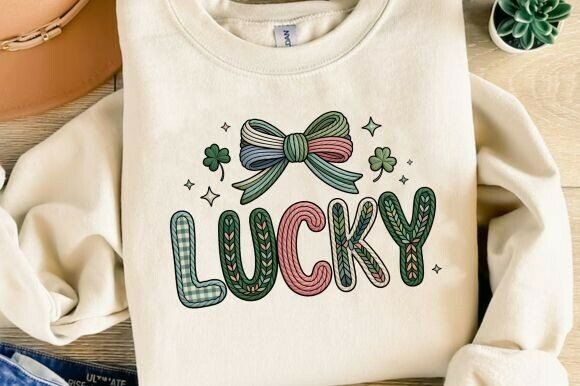
The "Yarn Faux" aesthetic mentioned in the product description benefits immensely from transparency. The textured look of yarn relies on subtle shadows and highlights to create depth. A transparent background ensures that these intricate details are not lost against a contrasting backdrop, allowing the faux-knit effect to appear realistic and tactile.
Versatility Across Mediums: From Mugs to Wall Art
The true value of a versatile digital asset lies in its adaptability. A single Happy St. Patrick’s Day PNG can serve as the foundation for dozens of different products. This multi-use capability is what makes such files attractive to both hobbyists and commercial sellers.
Apparel and Textile Applications
T-shirts and clothing items remain the most popular category for holiday-themed graphics. The high resolution of the file ensures that the design holds up well against the texture of cotton or blends. When using direct-to-garment (DTG) printing or heat transfer vinyl (HTV), the clean edges provided by a 300 DPI PNG prevent bleeding and ensure vibrant colors. The "Yarn Faux" style adds a cozy, handcrafted feel to apparel, making it particularly appealing for spring transitions where comfort meets festivity.
Home Decor and Sublimation
Beyond clothing, these files are perfect for sublimation on hard surfaces. Mugs, tumblers, and coasters are excellent candidates for St. Patrick’s Day designs. The transparency allows the graphic to wrap around curved surfaces without visible borders. Additionally, printable wall art and greeting cards benefit from the high pixel density, ensuring that fine details in the yarn texture are visible even when viewed up close.
- Mugs and Tumblers: Ideal for office parties or personal use, featuring bright greens and playful text.
- Tote Bags: Eco-friendly accessories that showcase large, bold graphics effectively.
- Scrapbooks and Cards: Digital or printed, these assets add a thematic flair to personal memories and greetings.
Navigating Usage Rights: Personal vs. Commercial Use
A common point of confusion for new designers is the distinction between personal and commercial usage rights. The product description explicitly states: Personal Commercial Use Allowed. This is a vital distinction that empowers creators to monetize their work.
Personal use typically refers to projects made for yourself, friends, or family—such as printing a card for your grandmother or creating a custom shirt for your child’s school parade. Commercial use, however, allows you to incorporate the PNG into products that you sell. This includes Print-on-Demand (POD) businesses where items are created only after a customer places an order.
It is important to note what "commercial use" usually entails in this context. Generally, you can use the PNG as part of a larger design to sell on physical products. However, you typically cannot resell the PNG file itself as a standalone digital download. Always review the specific license terms, but in this case, the readiness for POD businesses indicates a broad permission structure designed to support entrepreneurs.
Best Practices for Print-on-Demand Success
If you are utilizing this asset for a POD business, consider the following strategies to maximize your success:
- Niche Targeting: Combine the St. Patrick’s Day theme with other interests, such as "Yarn Lovers" or "Knitting Enthusiasts," to target specific audiences.
- Quality Mockups: Use high-quality mockup images to display your design on mugs and shirts, showing potential customers exactly how the transparent background integrates with the product.
- SEO Optimization: Use descriptive keywords in your product listings, such as "faux yarn St. Patrick's Day shirt" or "high-resolution Irish holiday mug design," to attract relevant traffic.
Conclusion: Elevating Your Creative Projects
The Happy St. Patrick’s Day PNG with its yarn faux aesthetic is more than just a festive image; it is a powerful tool for creative expression and commercial enterprise. By understanding the importance of 300 DPI resolution, leveraging the flexibility of transparent backgrounds, and respecting usage rights, you can create stunning designs that resonate with audiences.
Whether you are decorating your home, crafting gifts for loved ones, or building a scalable print-on-demand business, starting with a high-quality, ready-to-use file sets the foundation for success. As you embark on your next creative project, remember that the right digital assets can save time, enhance quality, and open doors to new opportunities. Embrace the spirit of the season, and let your creativity flourish with tools designed for both beauty and functionality.